


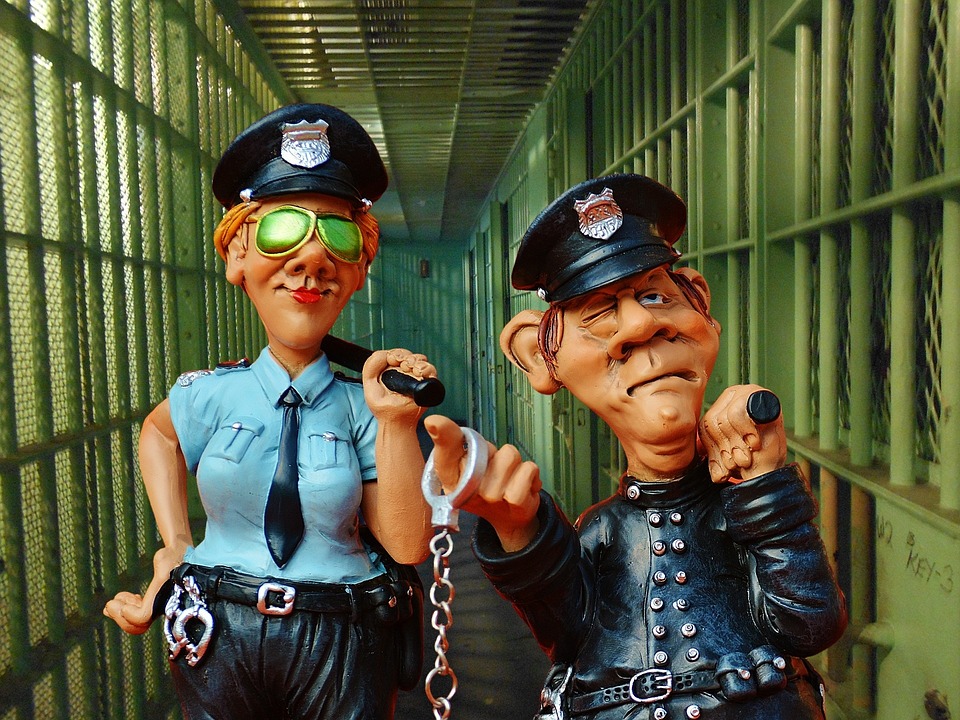
Navigating the Path to Success: A Day in the Life of a Probationary Officer
Becoming a probation officer is a great and rewarding path, filled with unique challenges and opportunities for personal and professional growth. This article takes you through a typical day in the life of a probation officer, highlighting their responsibilities, challenges, and triumphs as they navigate the often complex and demanding world of law enforcement.
Early morning: the calm before the storm
For many probation officers, the day starts long before the sun rises. The ritual performed early in the morning sets the tone for the day ahead. Officials generally begin by:
- hearty breakfast that gives energy to the body
- Reviewing previous shift notes and reports
- Engaging in a physical fitness routine to stay in peak condition
- Preparing their uniforms and making sure their equipment is in order
This preparation period is important, as it allows officers to be mentally prepared for the demands of the day. As the morning dawns, officers head to the station to begin their shift.
Morning briefing: setting the agenda
Once at the station, probationary officers attend a morning briefing. This session typically includes:
- Updates on any ongoing investigations
- Summary of expected patrols and special tasks
- Reviewing any community concerns reported
During this time, senior officers mentor the probationers and give them advice on how to deal with various scenarios they may encounter throughout the day.
On patrol: implementing training
After the briefing the officers set out on patrol. This part of the day is unpredictable and varies greatly, requiring quick thinking and adaptability. Probationary officers may face:
- regular traffic stops
- Community engagement, such as talking to local residents
- Responding to calls regarding disturbances or crimes in progress
- Conducting welfare checks and public safety assessments
Each interaction provides an opportunity to learn and apply the techniques acquired during training. Building relationships with the community is essential—a key aspect of modern policing.
Midday: Training and Development
While patrol duties constitute a significant part of a probationary officer's day, training remains a central focus. Often, probation officers are required to attend workshops or training sessions that may include:
- De-escalation strategy
- emergency response drills
- Legal Updates Regarding Law Enforcement Practices
- Communication Skills for Better Public Relations
This commitment to ongoing education is critical to adapting to the evolving demands of law enforcement and community needs.
Afternoon Duties: The Reality of Law Enforcement
As the day progresses, the reality of law enforcement sets in. Probationary officers may be called upon to handle complex situations such as:
- Conflict resolution at public events
- Investigating minor crimes, documenting evidence
- Interviewing witnesses and parties involved
During these interactions, attention to detail is important. Authorities must document everything carefully to build a viable case for prosecution if necessary.
Concluding the evening: reflection and reporting
As soon as the shift ends, officers return to the station to complete necessary administrative tasks. This may include:
- writing an incident report
- Presenting evidence and discussing with superiors
- Engaging in self-reflection to assess your performance and areas for improvement
This time for reflection is essential, as it allows probationary officers to evaluate their experiences and prepare for future changes.
conclusion
The journey of a probationary officer is arduous yet rewarding. Each day brings new opportunities to learn, grow, and serve the community. While challenges are a normal part of the job, the skills developed – such as adaptability, communication and problem-solving – are invaluable.
Success in this role does not happen overnight; It requires dedication, perseverance and a true desire to bring about change. With each passing day, probation officers take important steps toward their ultimate goal of becoming experienced law enforcement professionals, making a positive impact on their communities.
questions to ask
1. What qualifications do I need to become a probationary officer?
Typically, candidates need a high school diploma or GED, and many agencies prefer or require an associate or bachelor's degree in criminal justice or a related field.
2. What is the probation period for new officers?
The probationary period can vary by agency but typically lasts six months to two years, during which new officers undergo training and evaluation.
3. What kind of support do probation officers receive?
Probationary officers receive guidance from senior officers, access to training sessions and ongoing performance appraisals to aid their development.
4. Can probationary officers specialize in areas such as community policing?
Yes, as officers gain experience, they may have opportunities to specialize in areas such as community policing, narcotics, investigations or traffic enforcement.
5. How can I excel in my role as a probation officer?
Continuous learning, effective communication, reflecting on experiences and receiving constructive feedback can contribute greatly to excelling in this challenging role.